

Phoenix, AZ · Services
Men’s Pelvic Floor Therapy in Phoenix
Men have a pelvic floor, and it can be assessed and trained like any other muscle. It is behind much of the leaking after prostate surgery, urgency, sitting pain, and stubborn hip or low back trouble.
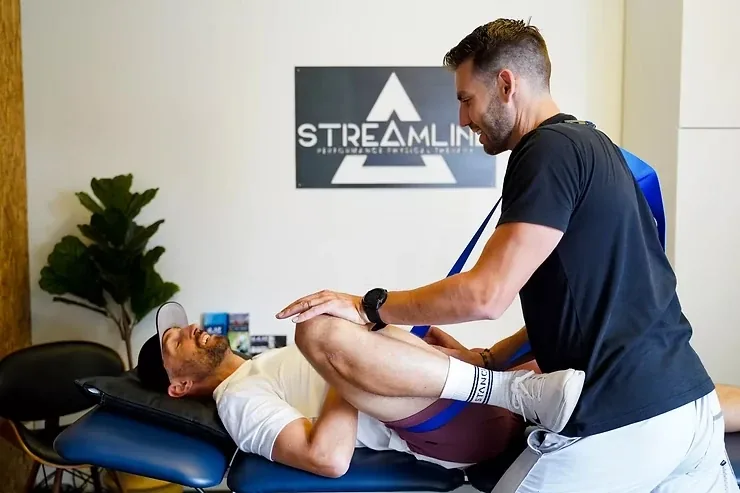
What is men’s pelvic floor therapy in Phoenix?
Men’s pelvic floor therapy treats continence after prostate surgery; pelvic pain, including the deep ache often labeled prostatitis after antibiotics failed; urinary urgency and frequency; bowel symptoms and straining; and the pelvic floor’s role in lingering hip and low back pain.
The pelvic floor is skeletal muscle across the base of the pelvis that controls the bladder and bowel outlets and helps manage pressure with the diaphragm and deep abdominals. It can become weak, tight, or badly timed, and it trains like any other muscle.
This work is led by Dr. Jake Lape, PT, DPT, CSCS, a Male Pelvic Floor Therapist with a sports and orthopedic background. The evaluation works out which mechanism is driving your symptoms, and you leave with a plain-language explanation and a plan with a named endpoint.
What does a men’s pelvic floor therapy session look like?
60 minutes, one-on-one, private room, door closed. The first visit is mostly conversation and orthopedic examination: bladder and bowel habits, any surgery, breathing, hip and low back movement, and what you have stopped doing. An internal assessment is explained first and is your choice; many plans never involve one.
After that, it is physical therapy: hands-on work, breathing and pressure work, and progressive strength work done clothed in the shared gym. Two to three visits a week for four to six weeks is typical, with the same doctor every time.
Who this is for, and who it isn’t.
Good fit
- You are leaking after prostate surgery, whether six weeks or three years ago.
- You have pelvic, groin, or sit-bone pain that antibiotics and imaging have not explained.
- You wake several times a night or never feel finished.
- Your hip or low back pain only half resolved after a proper course of treatment.
Not the right first stop
- Anything acute and medical: blood in the urine, fever with pelvic pain, sudden inability to urinate, or new saddle numbness needs a physician or emergency room today.
- Anyone wanting passive treatment. There is hands-on work every visit, but change comes from graded strength and coordination work here and at home.
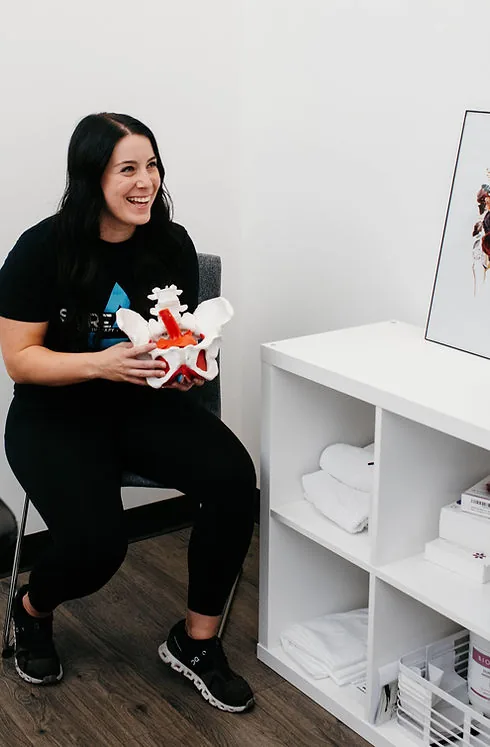
Calm it down and stop the guarding.
For pain, that means downtraining a floor braced for months and restoring a breathing pattern that works with it. For post-surgical continence, it means retraining a reliable, well-timed contraction. Hands-on treatment starts at the evaluation.
Restore what stopped moving.
A male pelvic floor rarely fails alone, so we address limiting hips, low back, abdominal wall, and adductors, and make sure the floor can fully relax before it works hard.
Build strength you trust under real load.
Contraction timed to effort, then load: standing, carrying, hinging, lifting, running, riding. Cyclists, lifters, and men returning to physical jobs rehearse their specific demands.
Make it stay fixed.
We retest before clearing you, then set a short program sized to your week, so you know what maintains progress and when to check in.
Start with a cause-first evaluation, in plain language.
Put it in writing.
Five short questions. A real person calls you back, usually within two business hours, with times that fit your week.
The people who end up filling this out are rarely in the worst pain of their life. They’re just done working around it, done picking the errand that doesn’t require the stairs. If that’s the stage you’re at, this is the part where you stop researching and start.
Consider it filed.
A real person will call you back, usually within two business hours, with appointment times that fit your week. Keep your phone nearby.
Can’t wait? Call (602) 755-3138 ⟶Easy to find. Easy to park.
In the neighborhood, with parking by the door. Come see the place before you commit, if you like.
The clinic · Streamline Performance Physical Therapy
Get Directions ⟶Opens in Google Maps