
Phoenix, AZ · Services
One Standard of Care. Eighteen Ways In
Every service on this page runs through the same evaluation, the same Doctor of Physical Therapy, and the same plan with an endpoint. The service is the tool; the standard is what doesn’t change.
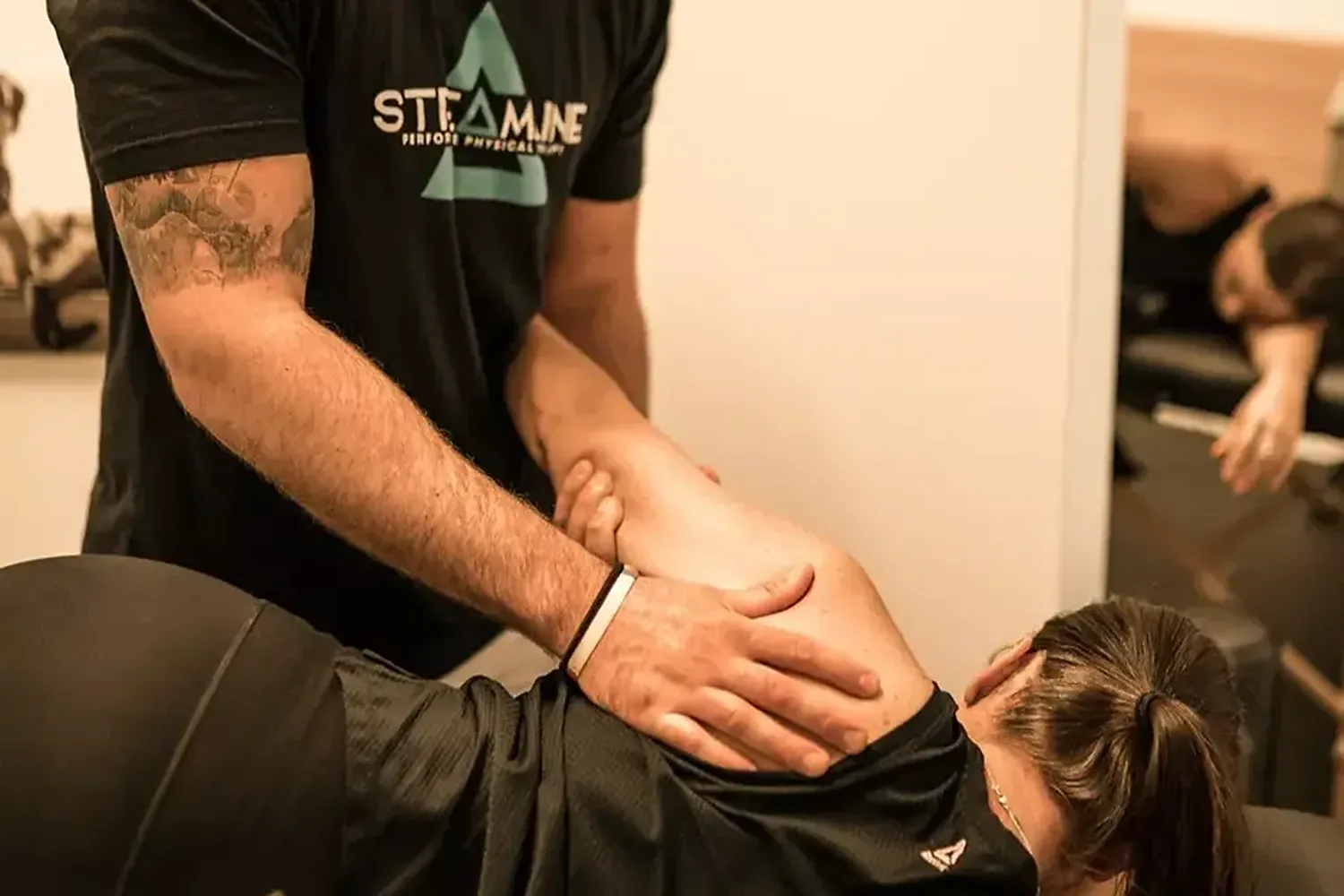
Almost nobody arrives knowing which of these eighteen they need, and that’s fine: deciding is our job. Every visit starts with a cause-first evaluation, one-on-one with a Doctor of Physical Therapy, that finds the reason for the problem instead of guessing at the symptom.
From there, care moves through four phases, Pain, Prime, Perform, Prevent, and every service below does a job inside that plan. Core care is the backbone, where most people start and finish. Pelvic health and recovery is its own discipline, delivered privately by clinicians trained for it. Advanced modalities are tools, brought in when the evaluation points to them, never sold as a weekly errand.
Guessing on your own usually costs a few weeks: the massage that helped for a day, the strength program aimed at the wrong joint. An evaluation skips that, and no service happens in isolation. Every one answers to the same plan, the same doctor, and the same endpoint.
One thing to know before you call: we are cash-pay and do not bill insurance directly. That’s what makes a full 60 minutes one-on-one possible. You get the rate before you book, and your plan has a named endpoint, so the total is knowable in advance.
The services
Physical Therapy
The foundation, and for most people the whole plan. A cause-first evaluation, then 60 minutes one-on-one with a Doctor of Physical Therapy who treats you personally at every visit.
Sports Rehab
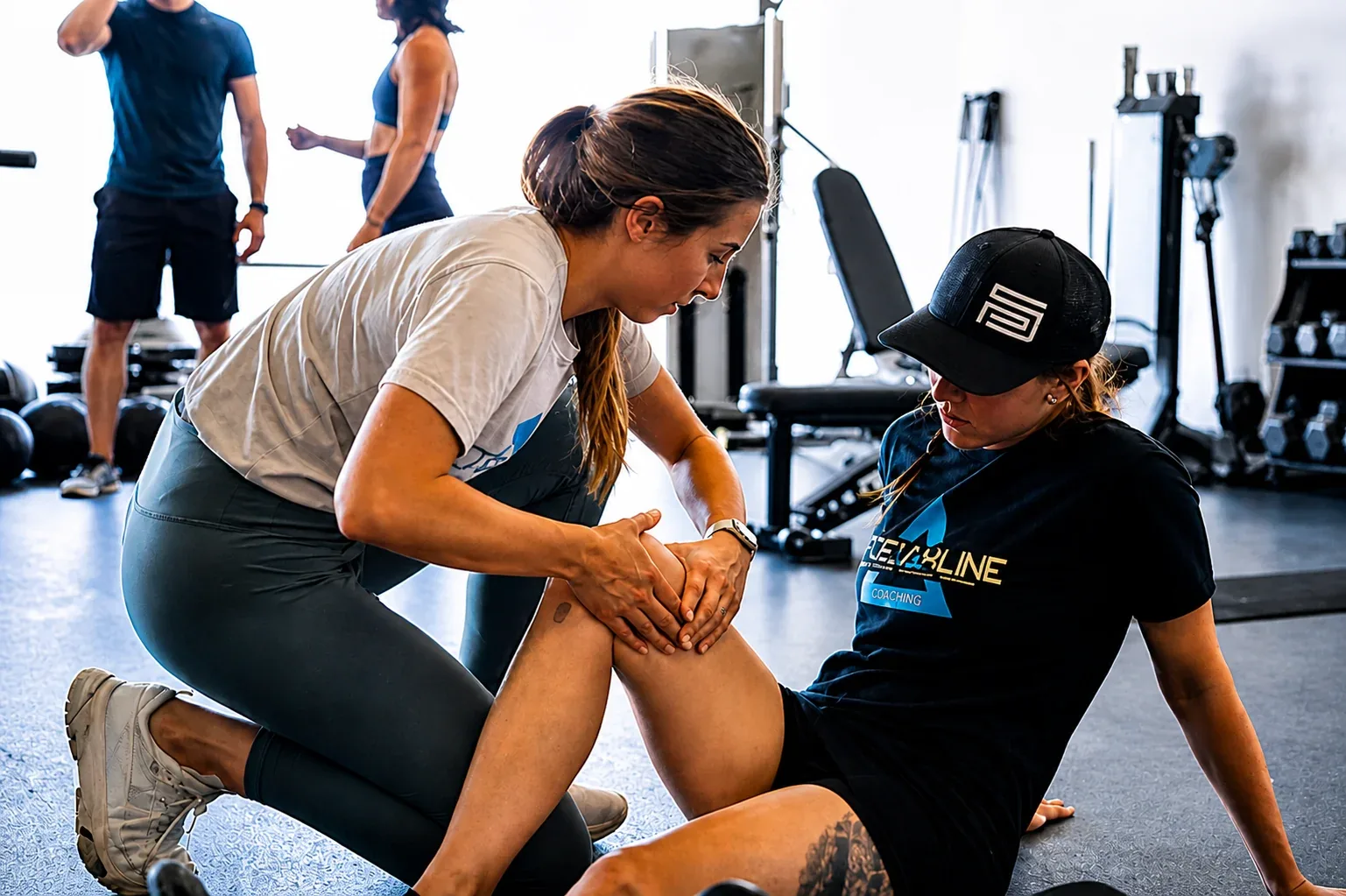
Getting back to your sport by clearing tests, not by waiting out a date. Strength, agility and sport-specific movement rebuilt against standards you have to pass first.
Manual Therapy
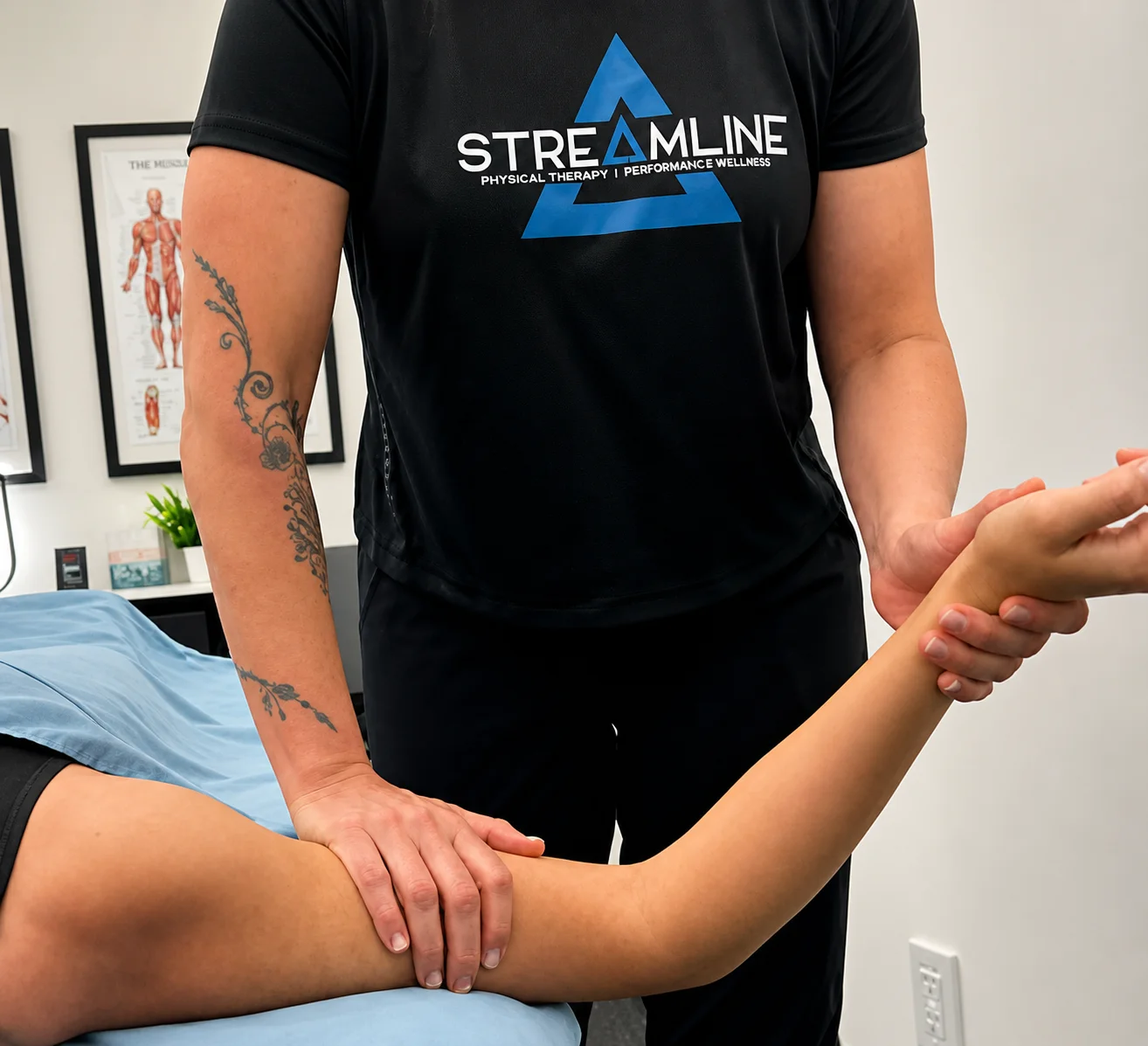
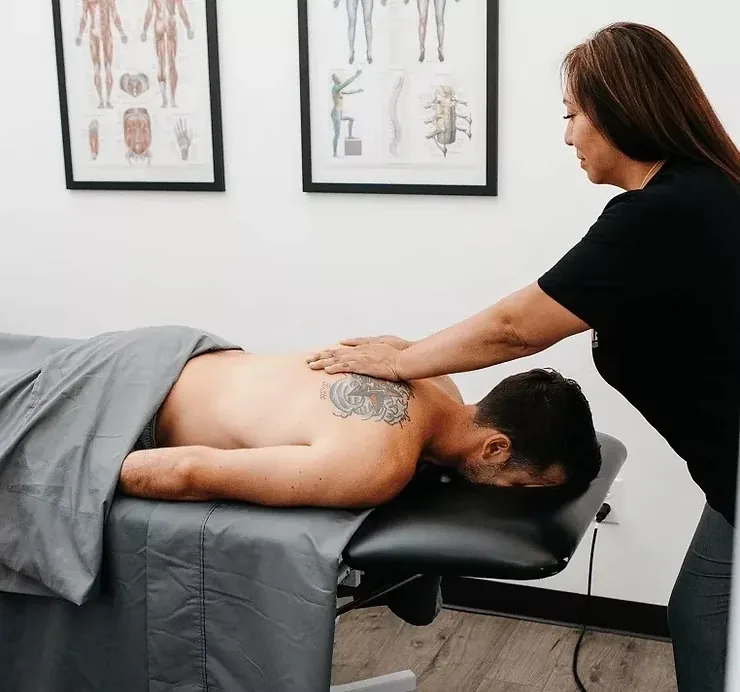
Hands on the joint and the tissue: mobilization, soft tissue work and guided stretching, used to open range so the strength work has somewhere to go.
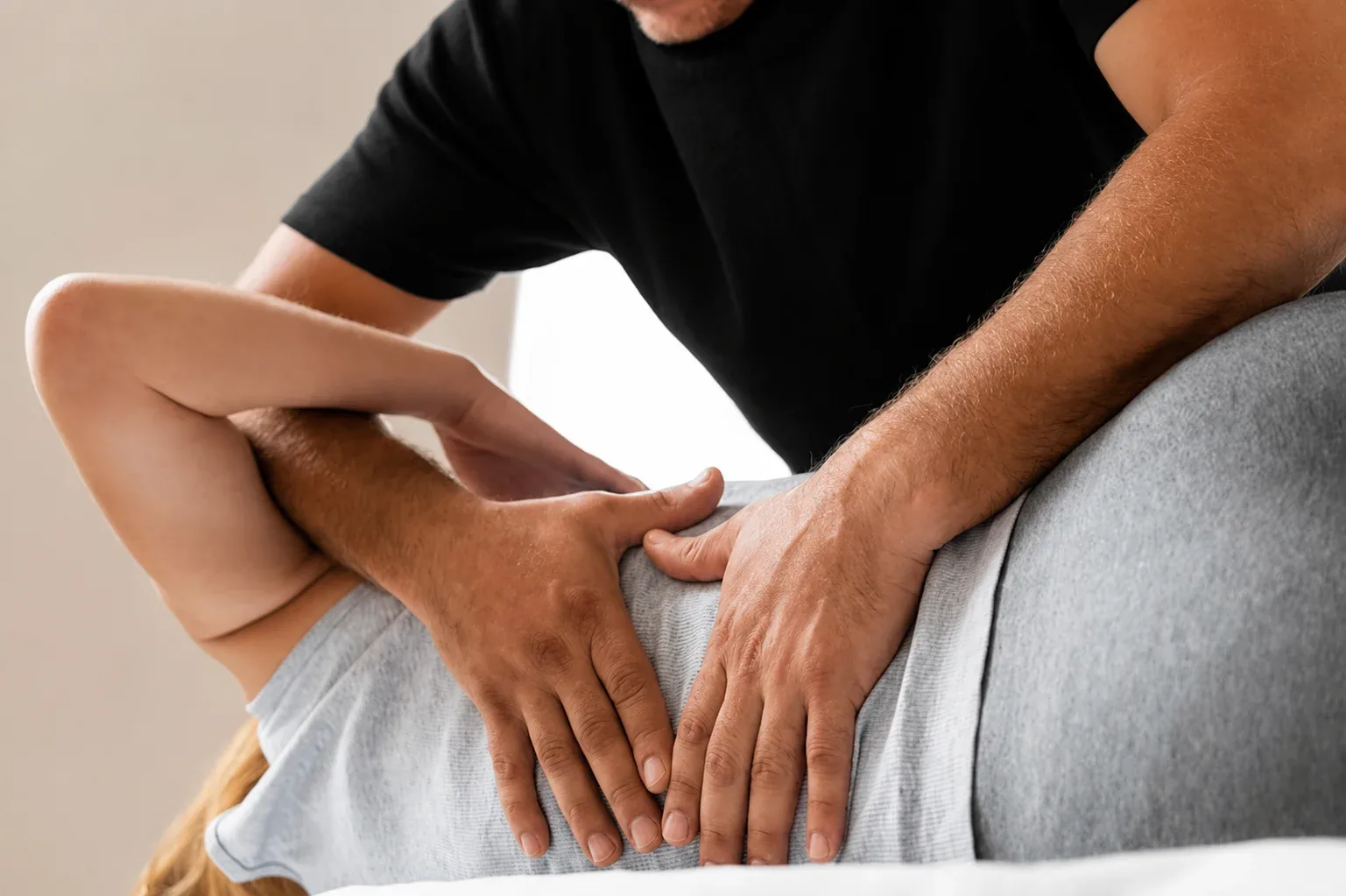
Spinal Manipulation
One specific, quick thrust into a spinal segment that has stopped moving, used when the evaluation shows the joint itself is the restriction rather than the muscle around it.
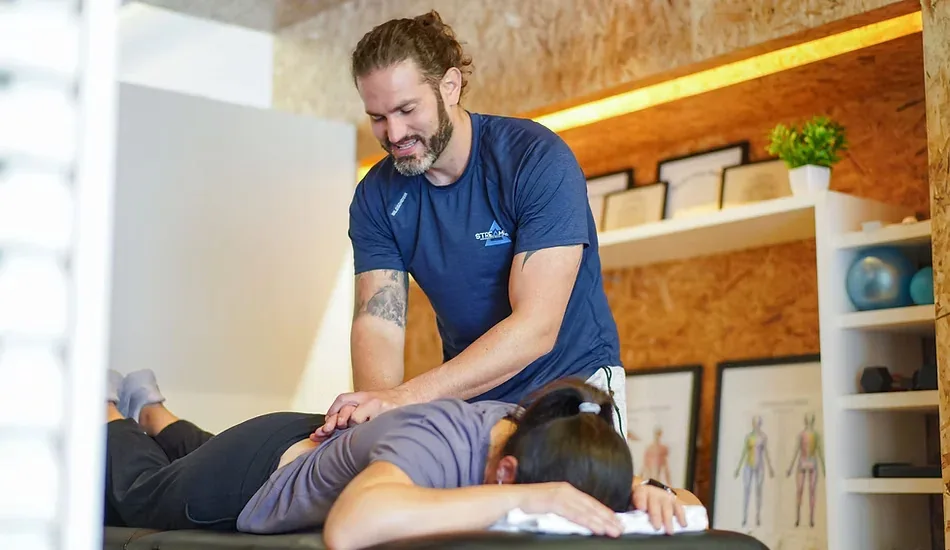
Personal Training
Coached strength work with our strength and conditioning staff, programmed off your own movement screen. This is where Prevent lives once the pain has been handled.
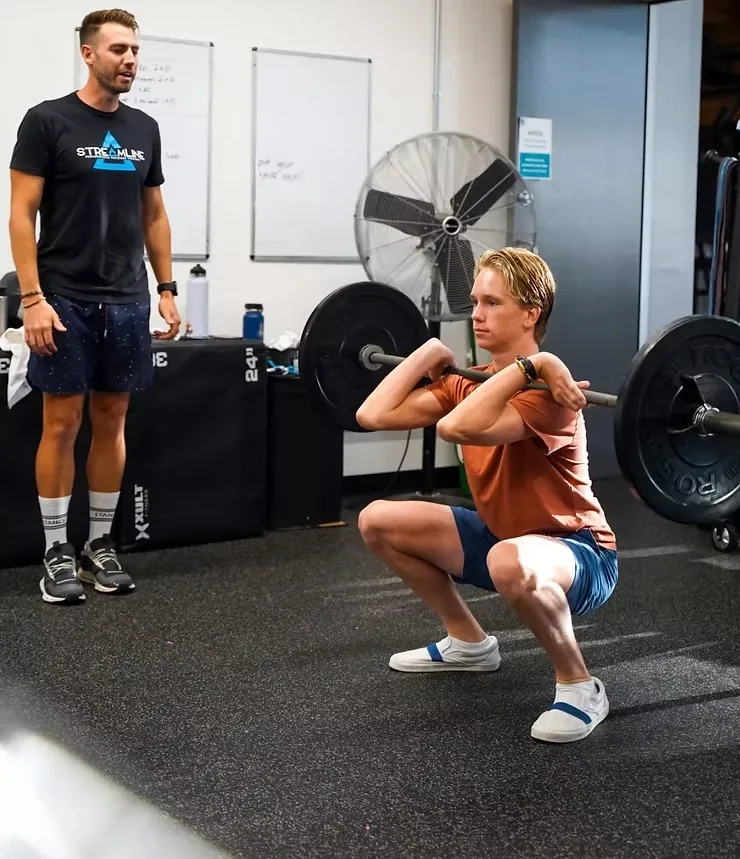
Workers’ Comp
Rehab aimed at the specific demands of your job, so being cleared means you can actually lift, climb and carry what the work asks, not just walk without pain.

Pelvic Floor Therapy
Assessment and treatment for leaking, pressure, pain and postpartum recovery, in a private room with a clinician trained specifically in pelvic health rather than a general ortho caseload.
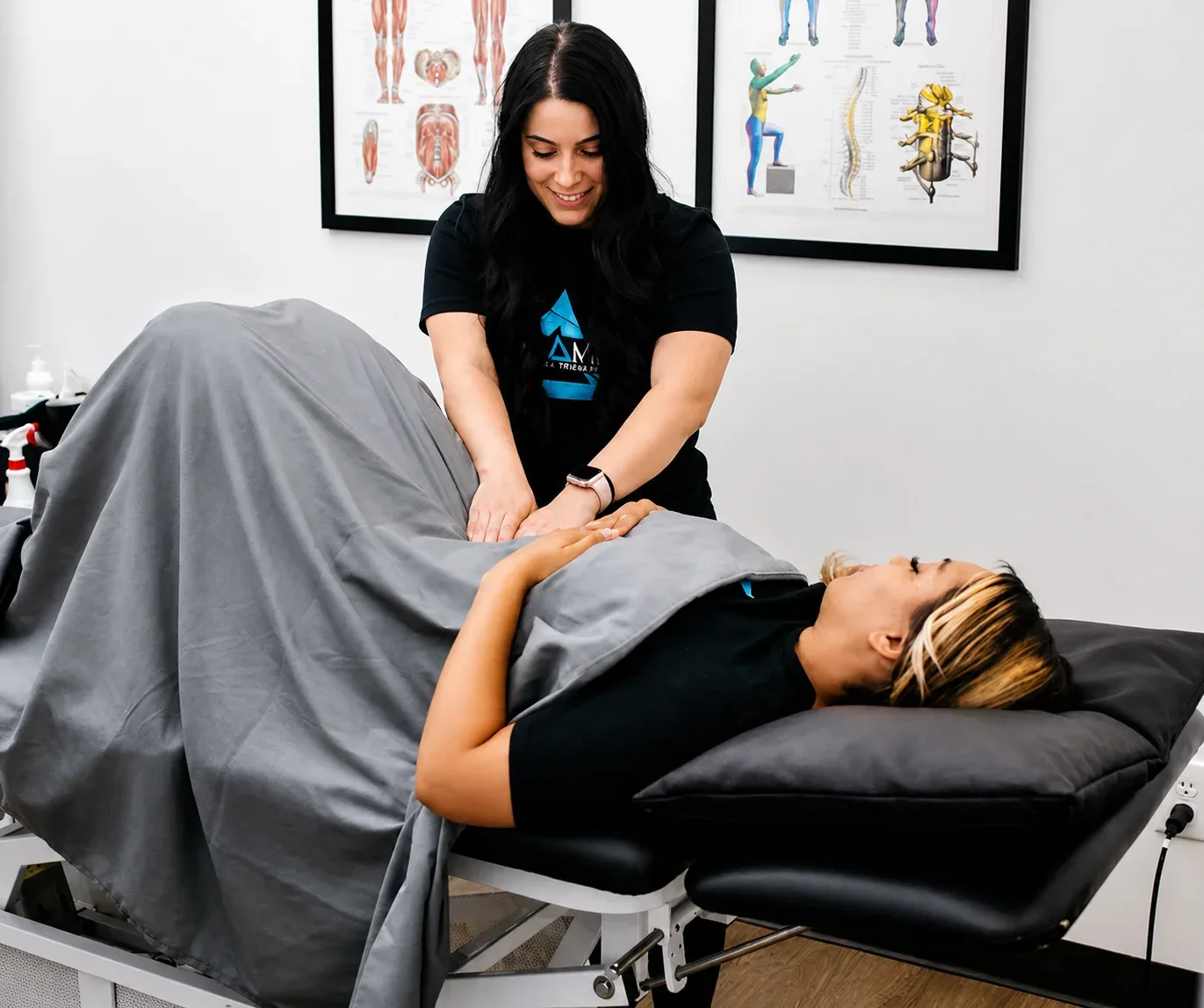
Men’s Pelvic Floor Therapy
The same pelvic floor work written for men: pelvic pain, urinary urgency, recovery after prostate surgery, and the core coordination underneath all three.

Massage Therapy
Licensed massage prescribed inside your plan by our massage therapist, timed to the week your tissue actually needs it rather than booked as a standing spa hour.
Cupping
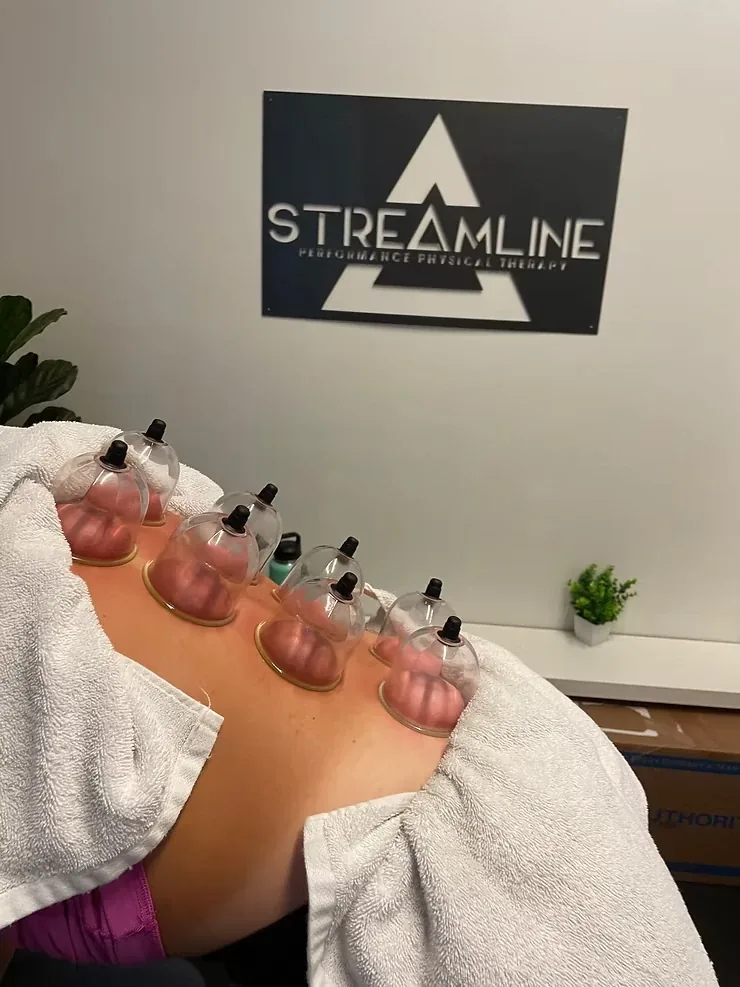
Suction that lifts and decompresses tissue instead of pressing into it, which is why it reaches restrictions that pressure-based work keeps sliding across.
Dry Needling
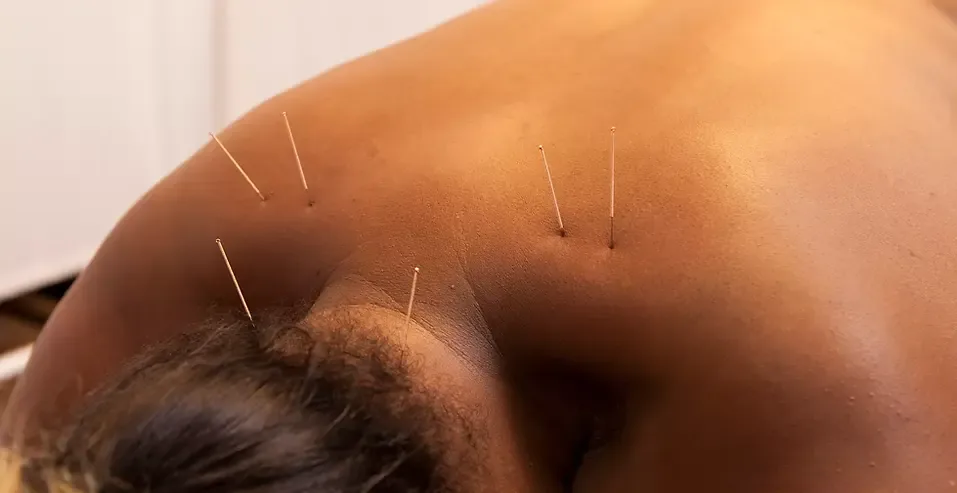
A thin filament needle placed into a trigger point to get a twitch response and release a knot that stretching, rolling and time have not touched.
Car Accident Rehab
Care for the neck, back and shoulder injuries that turn up a day or two after a collision, on a plan built around what you can no longer do rather than what a form says.

Shockwave Therapy
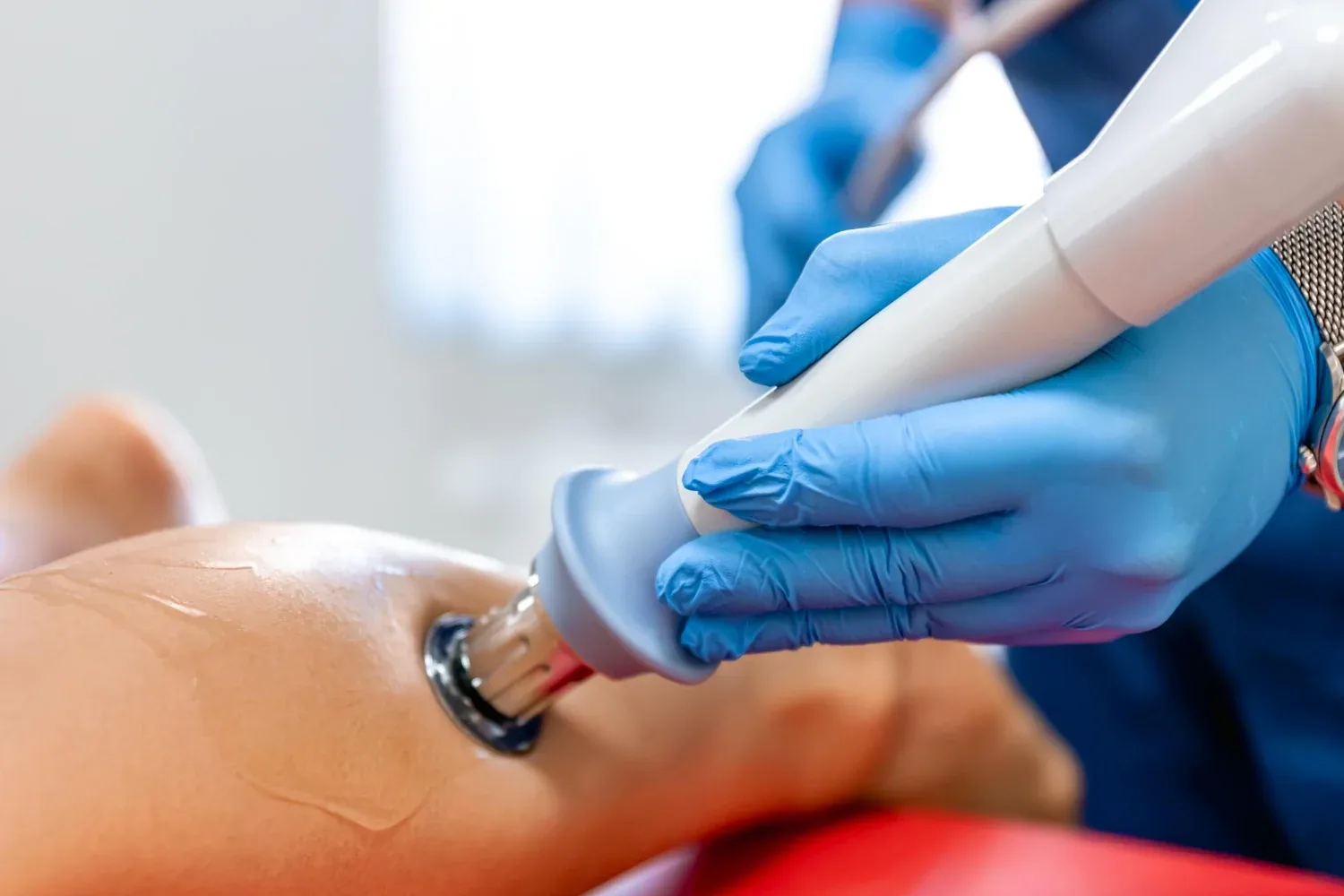
Focused acoustic pulses driven into a stubborn tendon or fascia to restart a healing response that stalled somewhere months ago and never picked itself back up.
Blood Flow Restriction
A calibrated cuff that lets a light weight produce a heavy-weight training effect, which is how you build strength on a joint that cannot take real load yet.

Active Release Technique
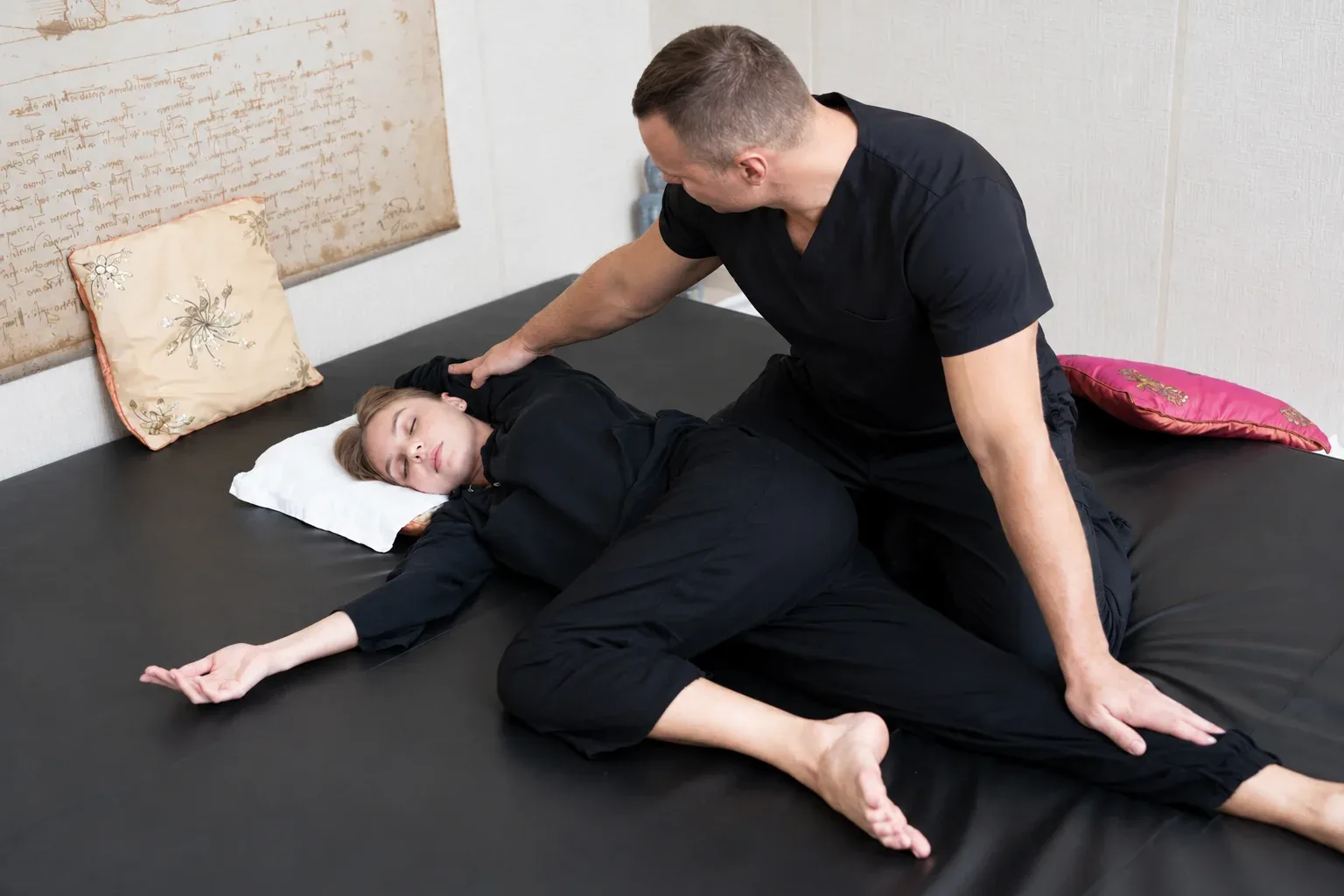
Hands only, no instrument. The clinician pins one specific muscle and you move the limb through its range, so the tissue releases under active tension rather than passive pressure.
Astym
A protocol-driven instrument sweep along the length of the tissue, aimed at stimulating a regenerative response in scar and degenerated tendon, and always paired with stretching and loading in the same visit.
Graston Technique
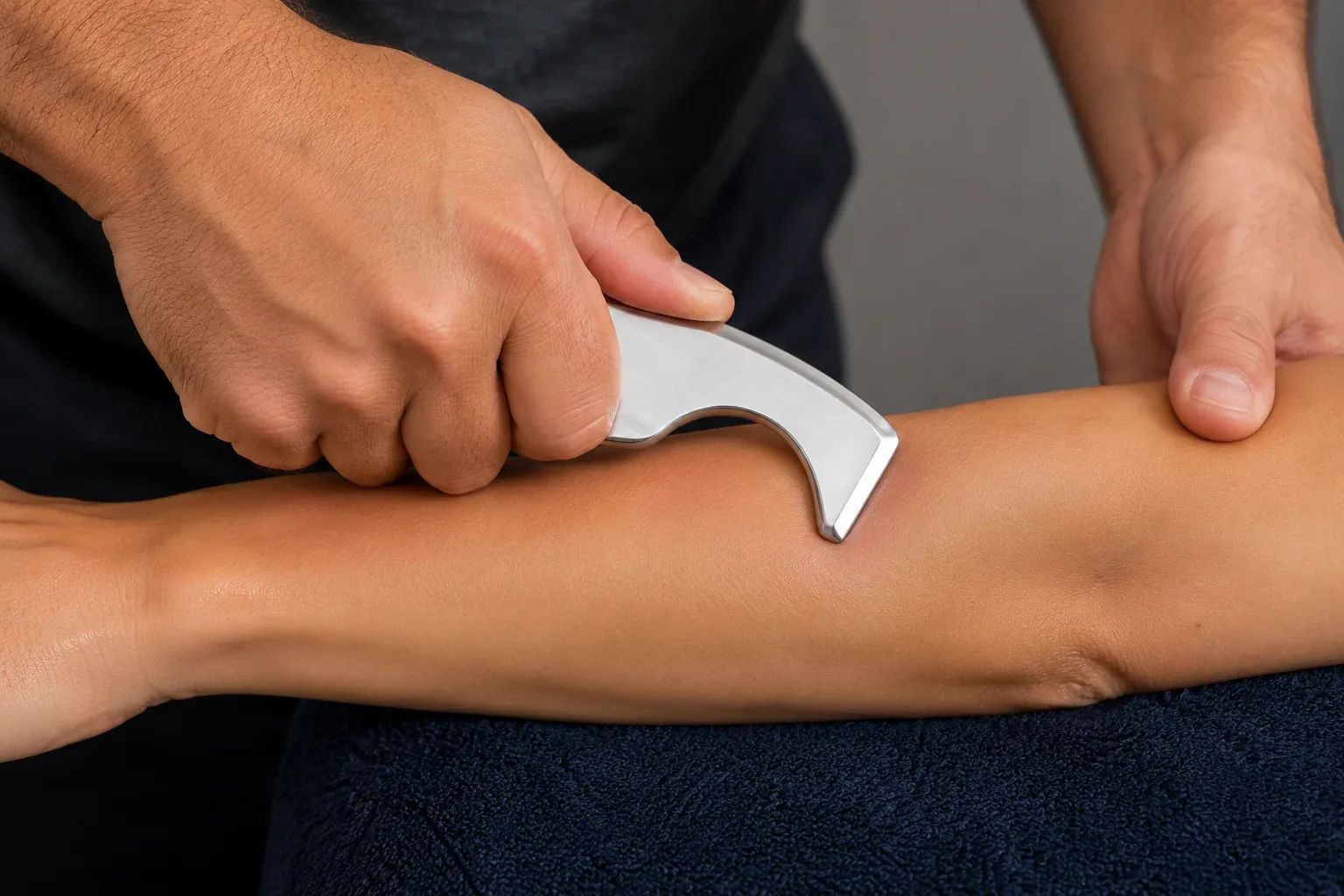
A set of bevelled stainless instruments used to feel for restriction as much as treat it: the tool resonates over adhesion, which maps where the problem sits before it is worked.
IASTM
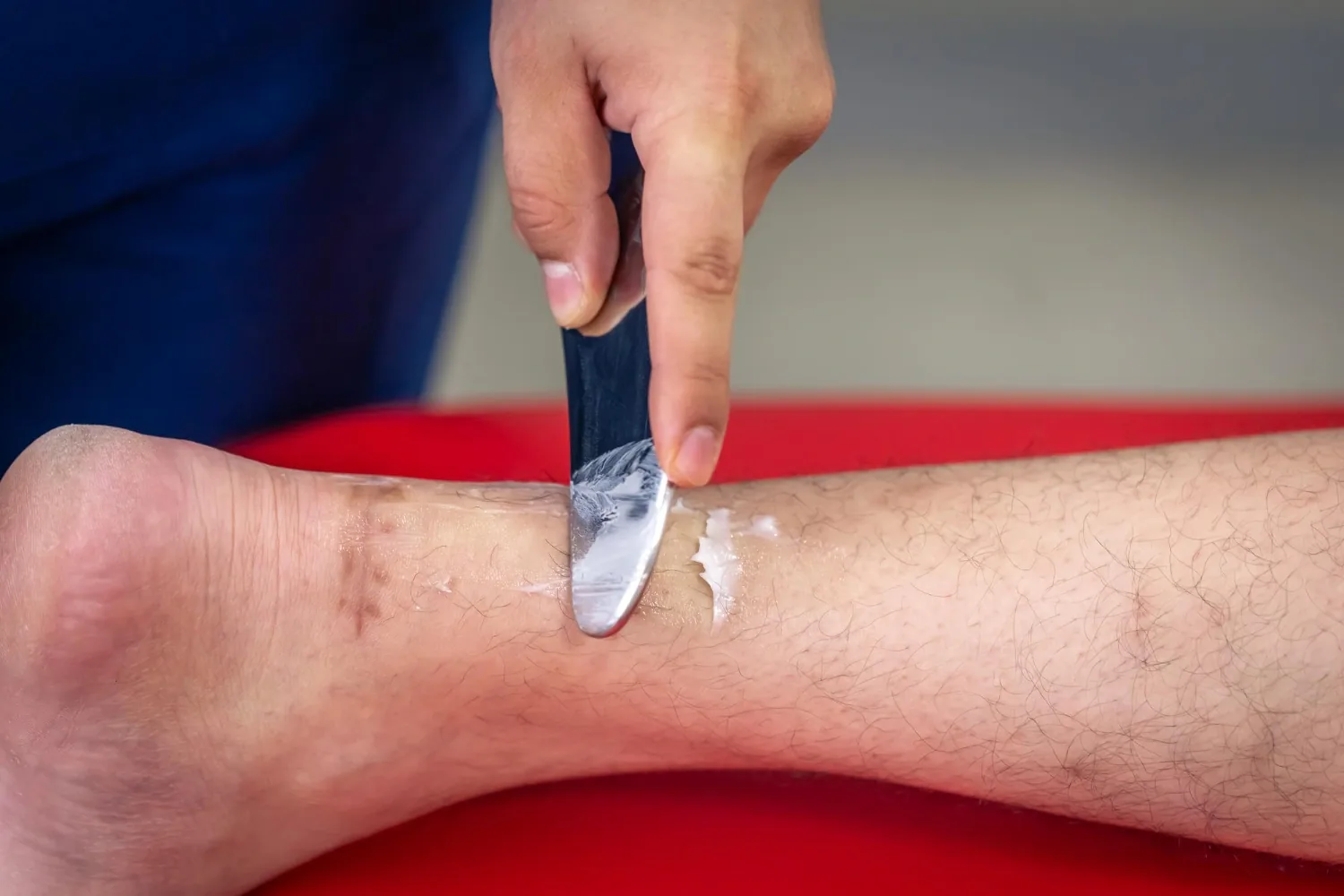
The general instrument-assisted category the three above sit inside. Chosen when the restriction is broad and the goal is changing how tissue glides, without committing to one branded protocol.
“The staff is knowledgeable, attentive, and always takes the time to make sure you feel comfortable and supported during each visit. I’ve really enjoyed coming here and can already feel the difference in my recovery.”JoHanna T. · patient testimonial
Not sure which one is yours.
Here’s the honest version: you don’t need to know. The people who end up on this page usually aren’t trying to self-diagnose between Astym and Graston, they’re just trying to stop guessing and start somewhere. That’s exactly what the evaluation is for. Book the appointment, describe what’s going on in your own words, and your Doctor of Physical Therapy routes you to the right service, or the right combination of two or three, before you’ve spent a dollar guessing on your own.
A rough starting point, if you want one: pain that’s new or that’s been nagging for weeks starts with physical therapy. A return to a sport starts with sports rehab. Anything involving leaking, pelvic pressure, pregnancy or postpartum starts with pelvic floor therapy. An injury on the job starts with workers’ comp, and an injury in a collision starts with car accident rehab. A single stubborn knot or a tendon that has stalled for months is a dry needling or shockwave conversation. Everything under Advanced modalities is a tool your doctor may reach for inside a plan, not something to book on its own.
Treat all of that as a guess, not a diagnosis, the same way we would; the evaluation is what actually decides it. If you already know your symptom better than the service you need, start on What We Treat ⟶ instead and work backward from there.
Put it in writing.
Five short questions. A real person calls you back, usually within two business hours, with times that fit your week.
The people who end up filling this out are rarely in the worst pain of their life. They’re just done working around it, done picking the errand that doesn’t require the stairs. If that’s the stage you’re at, this is the part where you stop researching and start.
Consider it filed.
A real person will call you back, usually within two business hours, with appointment times that fit your week. Keep your phone nearby.
Can’t wait? Call (602) 755-3138 ⟶Easy to find. Easy to park.
In the neighborhood, with parking by the door. Come see the place before you commit, if you like.
The clinic · Streamline Performance Physical Therapy
Get Directions ⟶Opens in Google Maps