

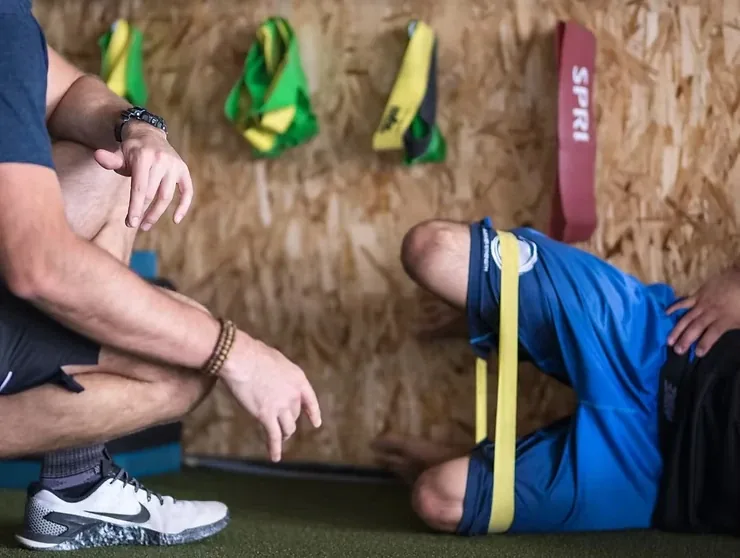
Staying active, strong, and pain-free requires more than just traditional strength training—especially as we age or place high demands on our bodies through sports. One often-overlooked area that plays a major role in performance, stability, and long-term mobility is the pelvic floor.
At Streamline Performance Physical Therapy in Phoenix, AZ, we work with both young athletes and adults in their 40s and 50s who want to stay strong, confident, and active for years to come. This guide outlines the most effective pelvic floor physical therapy exercises used by physical therapists to improve strength, coordination, and overall movement quality.
Understanding the Pelvic Floor and Why It Matters
The pelvic floor is a group of muscles located at the base of the pelvis that form a supportive sling for the bladder, bowel, and reproductive organs. These muscles do far more than provide support—they work in coordination with the core, hips, and diaphragm to regulate internal pressure, maintain postural stability, and allow for efficient, powerful movement. When the pelvic floor is functioning properly, it contributes to balance, strength, and control during both everyday activities and athletic performance.
Why the Pelvic Floor Weakens Over Time
Pelvic floor strength, endurance, and coordination can gradually decline due to a variety of factors, including:
- Natural, age-related changes in muscle tissue
- Repetitive or high-impact athletic activities
- Pregnancy, childbirth, and hormonal changes
- Chronic poor posture or inefficient breathing patterns
- Core weakness or unresolved injuries affecting movement mechanics
Without targeted training, these changes can lead to compensation patterns that place unnecessary strain on the spine, hips, and surrounding joints.
Why This Matters for Athletes and Adults in Their 40s and 50s
For young athletes, pelvic floor dysfunction may present as unexpected leaking, reduced core stability, hip or groin pain, or a noticeable drop in performance during sprinting, jumping, or heavy lifting.
For adults in their 40s and 50s, common signs include persistent back pain, pelvic discomfort, decreased balance, or difficulty maintaining strength and endurance during workouts or daily activities.
In both cases, targeted physical therapy exercises for pelvic floor strength and coordination can help reduce pain, restore stability, and support long-term mobility—allowing individuals to move with confidence at every stage of life.
Top 5 Pelvic Floor Physical Therapy Exercises
These exercises are commonly prescribed by physical therapists to improve pelvic floor strength, coordination, and integration with the rest of the body.
1. Diaphragmatic Breathing with Pelvic Floor Activation
This foundational exercise teaches proper coordination between breathing and pelvic floor engagement.
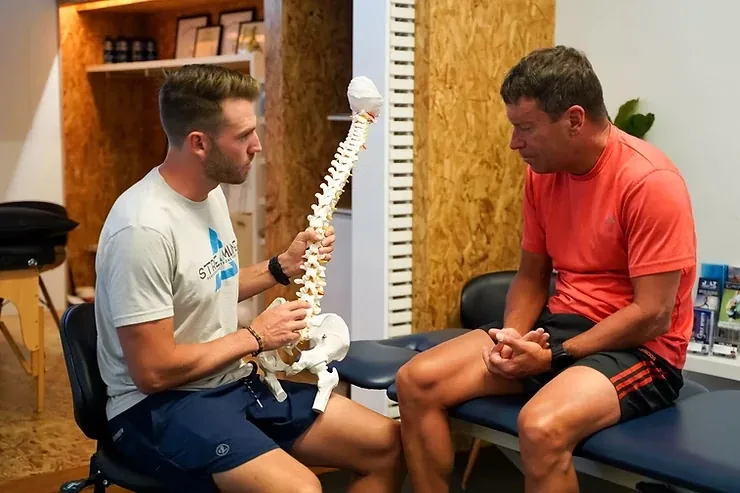
How to Do It:
1.Lie on your back with knees bent and feet flat.
2.Place one hand on your chest and one on your abdomen.
3.Inhale deeply through your nose, allowing your belly to rise.
4.As you exhale, gently engage the pelvic floor as if lifting upward.
5.Relax fully on the next inhale.
Why It Helps:This exercise reduces excessive tension, improves core stability, and sets the foundation for all other pelvic floor physical therapy exercises.
2. Clamshell Exercise Using Resistance Bands
The clamshell exercise is a foundational movement used in pelvic floor rehabilitation to strengthen the hips and glute muscles, which play a critical role in pelvic floor support.
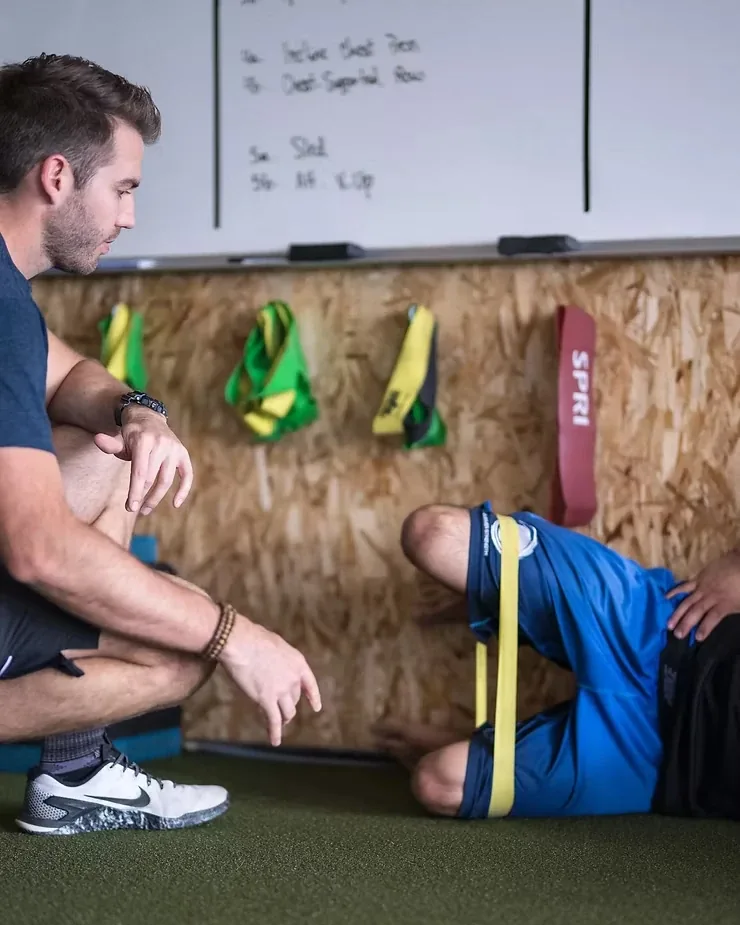
How to Do It:
- Lie on your side with your hips and knees bent, feet stacked.
- Place a resistance band just above your knees.
- Keep your hips stacked and core gently engaged.
- Slowly lift the top knee while keeping your feet together.
- Lower with control and repeat for 10–15 repetitions per side.
Why It Helps:This exercise enhances lateral hip strength and pelvic alignment, both of which are essential for effective pelvic floor function.
3. Bird-Dog (Quadruped Opposite Arm & Leg Extension)
The bird-dog exercise is a highly effective movement for improving pelvic floor coordination with the core and spine.
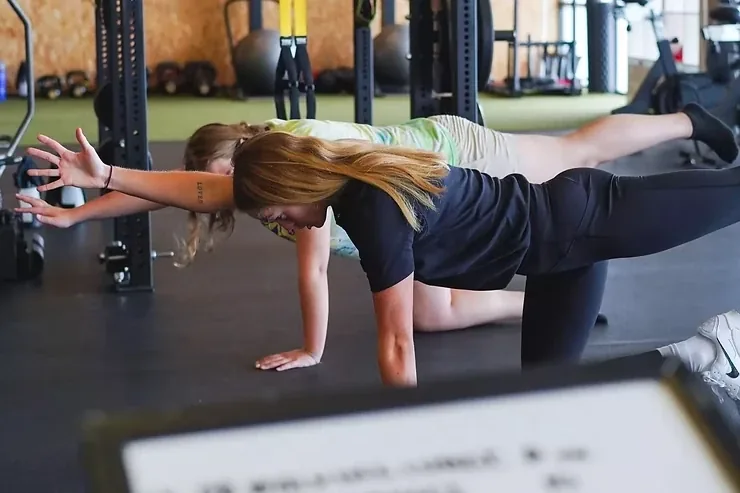
How to Do It:
- Start on all fours with hands under shoulders and knees under hips.
- Engage your core and gently activate the pelvic floor.
- Slowly extend one arm forward and the opposite leg backward.
- Keep your hips and spine stable throughout the movement.
- Hold briefly, then return to the starting position and switch sides.
Why It Helps:Bird-dog exercises improve core endurance, balance, and neuromuscular control while reinforcing proper pelvic floor engagement.
4. Dead Bug Core Stability Exercise
A controlled movement that reinforces pelvic floor coordination with core strength.
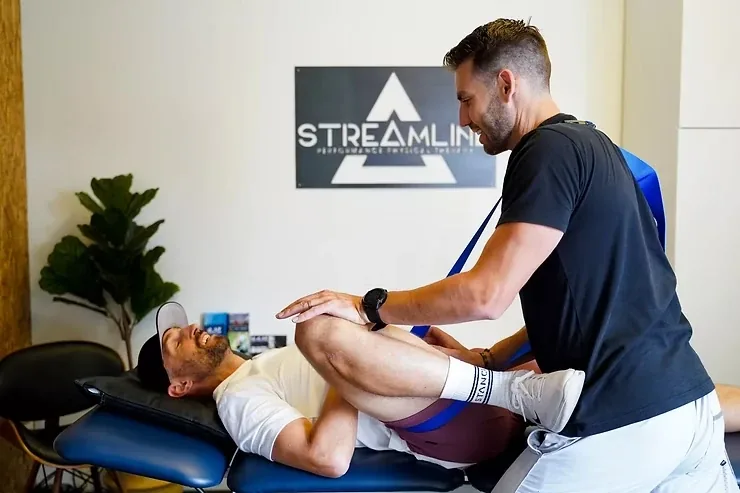
How to Do It:
- Lie on your back with arms extended upward and knees bent at 90 degrees.
- Engage your core and pelvic floor gently.
- Slowly lower one arm and the opposite leg.
- Return to the starting position and switch sides.
Why It Helps:Enhances spinal stability, balance, and pelvic floor control during dynamic movement.
5. Squats with Pelvic Floor Awareness
Squats teach the pelvic floor to work during real-life functional movements.
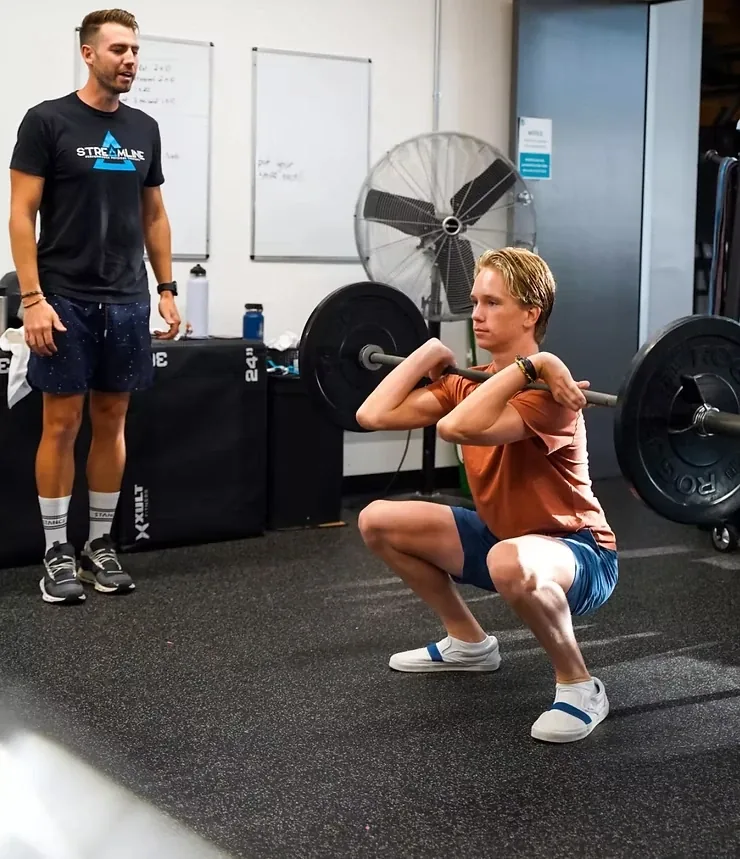
How to Do It:
1.Stand with feet shoulder-width apart.
2.Inhale as you lower into a squat.
3.Exhale and engage the pelvic floor as you stand up.
4.Maintain neutral posture throughout.
Why It Helps:Improves strength for daily tasks, athletic performance, and long-term joint health.
How to Integrate Pelvic Floor Exercises into Your Weekly Routine
For best results:
- Perform pelvic floor physical therapy exercises 3–5 days per week
- Start with low intensity and gradually increase difficulty
- Focus on quality, not speed
- Avoid straining or holding your breath
When to Seek Professional Help
If you experience pain, leaking, persistent discomfort, or difficulty activating the pelvic floor, it’s time to work with a physical therapist trained in pelvic health.
Pelvic Floor Physical Therapy at Streamline Performance Physical Therapy in Phoenix, AZ
At Streamline Performance Physical Therapy, we provide personalized pelvic floor evaluations and customized treatment plans designed for athletes and active adults. Our approach integrates physical therapy exercises for pelvic floor strength with movement analysis, performance training, and long-term injury prevention.
Whether your goal is to improve athletic performance, stay strong in your 40s and 50s, or move without pain, our team is here to support you every step of the way.

Stay Strong, Confident, and Active at Every Stage of Life
Pelvic floor health plays a critical role in strength, mobility, and performance—no matter your age or activity level. By incorporating targeted pelvic floor physical therapy exercises and working with experienced professionals, you can protect your body and continue doing what you love.
If you’re ready for expert guidance or a personalized pelvic floor rehabilitation plan tailored to your lifestyle and goals, contact us today at Streamline Performance Physical Therapy in Phoenix, AZ today to schedule a consultation.
FAQs
What are pelvic floor physical therapy exercises?
Pelvic floor physical therapy exercises are targeted movements designed to strengthen, relax, and coordinate the muscles that support the pelvic organs. These exercises improve core stability, bladder control, and overall movement efficiency when guided by a trained physical therapist.
Who can benefit from pelvic floor physical therapy?
Pelvic floor physical therapy can benefit young athletes, active adults, and individuals in their 40s and 50s experiencing pain, instability, or performance limitations. It is effective for both injury prevention and rehabilitation.
Are pelvic floor exercises only for people with pain or incontinence?
No, pelvic floor exercises are also used to improve performance, posture, and core strength even in the absence of symptoms. Many athletes use physical therapy exercises for pelvic floor health to enhance stability and reduce injury risk.
How do I know if my pelvic floor is weak or not working properly?
Common signs include back or hip pain, leaking during exercise, reduced core control, or difficulty maintaining strength during workouts. A physical therapist can perform an assessment to determine pelvic floor function and coordination.